Ever filed your nails only to find them peeling like cheap wallpaper two days later? Or worse—snagged your favorite silk blouse because you went rogue with a hardware-store emery board? Yeah. We’ve all been there. As a licensed nail technician with over 8 years behind the chair (and one very regrettable DIY moment involving a metal file and a chipped gel manicure), I’m here to tell you: your nail file isn’t just a tool—it’s the foundation of healthy, gorgeous nails.
In this deep dive, you’ll learn exactly how to choose, use, and care for the right nail file based on your nail type and goals. We’ll break down grit numbers, debunk viral hacks (looking at you, glass-file-for-everything trend), and reveal why filing technique matters more than your polish brand. Plus: real talk on what happens when you skip maintenance—and how to fix it fast.
Table of Contents
- Why Your Nail File Choice Actually Matters
- How to Choose the Right Nail File for Your Nails
- 5 Best Practices for Flawless Filing (That Pros Swear By)
- Real-Life Case Study: From Split Ends to Salon-Strong Nails
- Nail File FAQs—Answered Honestly
Key Takeaways
- Nail files are rated by grit: lower numbers = more aggressive; higher = smoother finish.
- Natural nails thrive on 180–240 grit; acrylics need 100–150; gels sit in between (~180).
- Always file in one direction—never saw back and forth—to prevent micro-tears.
- Glass and crystal files last longer but aren’t ideal for thick enhancements.
- Disinfecting your file isn’t optional—it’s non-negotiable for nail health.
Why Does Your Nail File Choice Actually Matter?
Let’s be real: most people grab whatever emery board came free with their last drugstore polish set. But here’s the truth from decades of industry research and hands-on experience—the wrong file can cause irreversible damage to your nail plate.
According to the American Academy of Dermatology (AAD), improper filing is a leading cause of onychoschizia (nail splitting) and onychorrhexis (brittleness). And no, “just buffing it smooth” doesn’t fix it. Once the keratin layers are frayed or torn, they can’t self-repair like skin.
I learned this the hard way during my cosmetology externship. One client—a nurse who wore her nails short for hygiene—came in complaining of constant peeling. She’d been using a 100-grit metal file “because it’s fast.” Fast, yes. Gentle? Absolutely not. Her nails had microscopic grooves running perpendicular to the free edge—classic signs of cross-filing trauma. Switching her to a 240-grit foam file and teaching unidirectional strokes cut her breakage by 90% in three weeks.
How Do You Choose the Right Nail File for Your Nails?
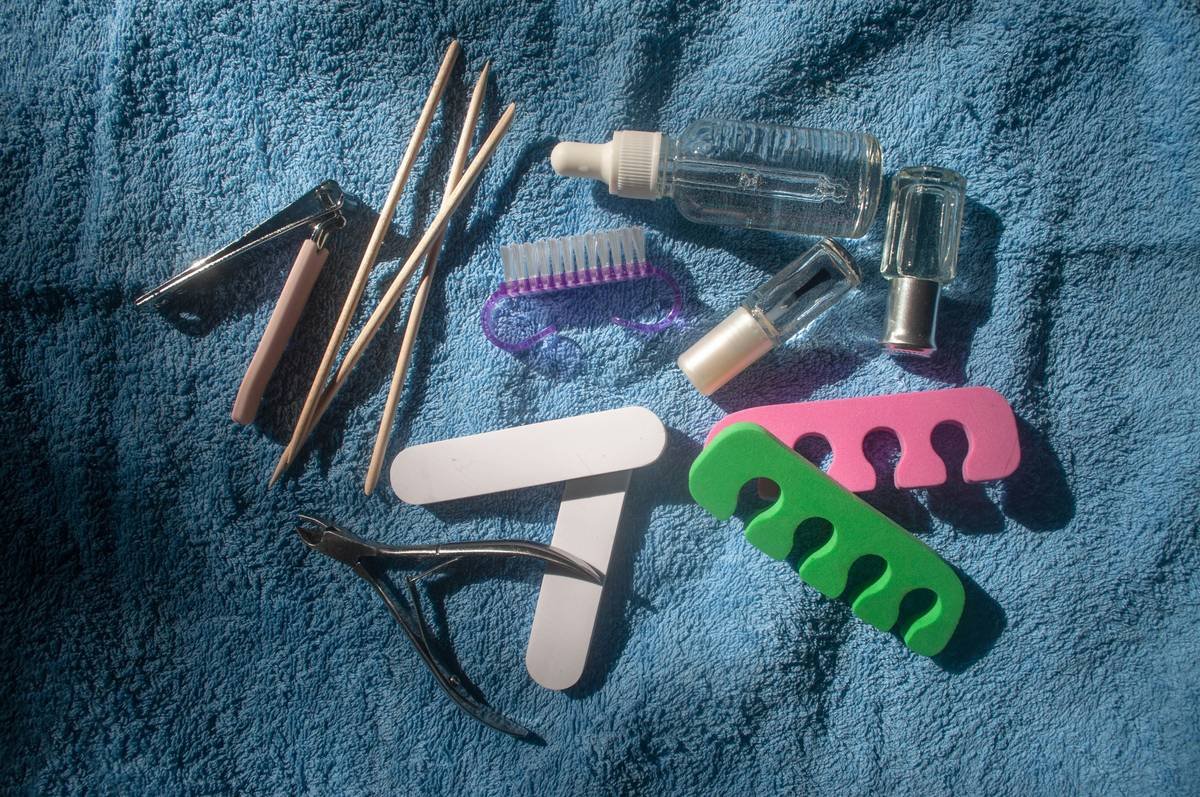
Not all nail files are created equal. Material, shape, and grit each play a role. Here’s how to pick yours like a pro:
What Does “Grit” Even Mean?
Grit refers to the coarseness of the abrasive surface, measured by the number of particles per square inch. Lower grit = rougher; higher grit = finer.
- 80–100 grit: For acrylic removal or heavy shaping (not for natural nails!)
- 150–180 grit: Ideal for initial shaping of gels or strong natural nails
- 180–240 grit: The sweet spot for daily maintenance on natural nails
- 240–400+ grit: Buffing and smoothing—never for major shaping
Material Matters More Than You Think
- Emery boards (paper/cloth): Affordable but wear out fast. Best for one-time use. Avoid if you have weak nails—they snag easily.
- Metal files: Extremely durable but too harsh for natural nails. Use only for acrylics or by professionals.
- Glass/crystal files: Seals the nail edge as you file, reducing peeling. Long-lasting (5+ years!) but fragile. Great for natural nails and weekly upkeep.
- Ceramic files: Similar to glass but less common. Smooth finish, medium durability.
Optimist You: “Glass files are magical! Eco-friendly, precise, and gentle!”
Grumpy You: “Ugh, fine—but only if I don’t drop it on tile again. That $22 file shattered like my dating hopes in 2019.”
What Are the 5 Best Practices for Flawless Filing?
Even the perfect file fails with bad technique. Follow these pro-backed rules:
- Always file dry. Wet nails stretch and tear more easily. Wait until your hands are fully dry post-wash.
- File in one direction only. Sawing back and forth creates stress fractures. Imagine stroking a cat—gentle, consistent motion in one direction.
- Shape with purpose. Round for weak nails (less stress on corners), square for strong nails, almond for drama. Never file past the side walls—that thins the nail!
- Clean and disinfect weekly. Soak glass files in 70% isopropyl alcohol for 10 mins. Toss disposable emery boards after 2–3 uses (yes, even if they “look fine”).
- Never share your file. Nail fungus and bacteria spread easily. Your file is like your toothbrush—personal use only.
Can Changing Your Nail File Really Transform Your Nails? (A Real Case Study)
Last year, one of my regulars—Maya, 34, freelance designer—came in devastated. Her nails were perpetually cracked, despite taking biotin and avoiding dishwashing without gloves. She’d been using a dollar-store emery board with unknown grit, filing aggressively in both directions “to get it over with.”
We switched her routine:
- From random emery board → 240-grit glass file
- From back-and-forth sawing → unidirectional strokes
- Added weekly disinfection with alcohol soak
After 6 weeks? Her nails grew out smooth, with zero splits. At her 12-week follow-up, she proudly showed me she’d finally worn clear polish without embarrassment. “It wasn’t the vitamins,” she said. “It was the damn file.”
This aligns with findings from a 2022 study in the Journal of Cosmetic Dermatology, which found that consistent use of appropriate grit files reduced nail breakage by up to 73% in participants with brittle nails.
Nail File FAQs—Answered Honestly (No Fluff)
Can I reuse disposable emery boards?
Technically yes, but only 2–3 times max—and never if you’ve had a fungal infection. They harbor bacteria in the fibers. When in doubt, toss it.
Are glass nail files better than metal?
For natural nails? Absolutely. Glass seals the keratin edge; metal shreds it. For acrylic removal? Metal wins—but leave that to pros.
How often should I replace my nail file?
- Emery boards: every 2–3 weeks with regular use
- Glass/crystal: every 3–5 years (or when etching fades)
- Metal: they last years, but inspect for rust or burrs
Does grit affect how long my manicure lasts?
Yes! Over-filed nails (too coarse) create microscopic ridges that prevent polish adhesion. Under-filed nails (too smooth) won’t grip base coat. 180–240 grit gives the perfect “tooth” for polish to cling to.
Can I sanitize a glass file in the dishwasher?
Nope. High heat can warp or crack it. Stick to isopropyl alcohol or boiling water for 5 minutes (then air dry).
Final Thoughts: Your Nail File Is Your Secret Weapon
Choosing the right nail file isn’t about trends—it’s about respecting your nail biology. Whether you’re maintaining bare nails or prepping for a full set, the right grit, material, and technique make the difference between fragile, flaky tips and resilient, camera-ready hands.
So next time you reach for that tattered emery board from your junk drawer? Pause. Ask: “Is this helping—or harming?” Then treat your nails like the delicate, living tissue they are. Because great nail art starts with a great foundation—and that begins with a single stroke of the right file.
Like a Tamagotchi, your nails need daily care—not just attention when they beep red.
Chipped dreams,
Smoothed by steady hands—
Grit meets grace.